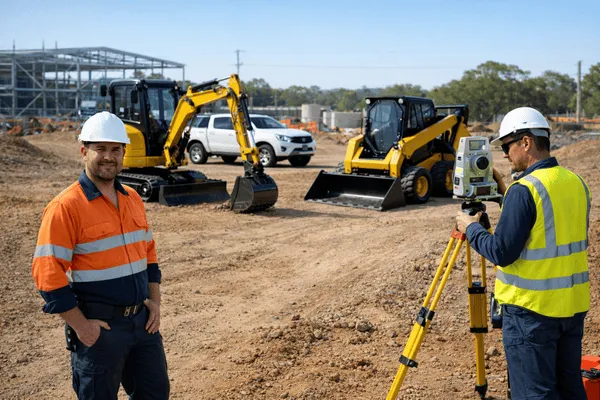
Excavator & Skid Steer Finance | What Lenders Check
Excavators and skid steers are often the first serious machines a growing earthmoving, landscaping or construction business purchases. Up until that point, many operators rely on hire equipment, which works — until it starts eating into profit and slowing jobs down.
Because these machines are directly tied to how your business earns, lenders assess their finance very differently to personal loans. Approval is usually based on your ABN, recent trading activity and bank statements rather than payslips.
This guide explains what lenders actually check when you apply for excavator or skid steer finance and why many operators secure approval within 24–48 hours when the application is prepared clearly.
For a broader understanding of how machinery lending works, see our Equipment & Machinery Finance Australia – Complete Guide.
Why Excavators and Skid Steers Are Comfortable Assets for Lenders
From a lender’s point of view, excavators and skid steers tick a lot of boxes.
They’re widely used across industries. They have a predictable resale market. They’re not novelty equipment — they’re core tools in earthmoving, construction, landscaping and civil work.
Most importantly, lenders know exactly how these machines generate income. Whether you’re digging footings, preparing sites, trenching, clearing land or doing detailed landscaping work, the machine is directly tied to paid jobs.
That clarity makes these applications easier to understand and assess.
The First Thing Lenders Look At: Your Business Activity
Before they worry about the machine, lenders look at you.
They want to see that you’re genuinely operating under an ABN and that income is flowing into your business. This is where recent bank statements matter more than most people realise.
If your statements show regular deposits from jobs, site work, landscaping contracts, building work or similar activity, that tells the lender the machine will be affordable. It also tells them the machine isn’t speculative — it’s being purchased for work you’re already doing.
This is why many excavator and skid steer deals don’t require full financials. The bank statements often tell the story clearly enough.
Matching the Machine to the Work You Do
One of the biggest approval factors is how well the machine matches your work.
A landscaper buying a skid steer makes immediate sense. A builder buying a small excavator for footings and site prep makes sense. An earthmoving contractor adding another excavator for capacity makes sense.
When the asset fits the business activity, the lender doesn’t have to ask, “Why is this needed?” — the answer is obvious.
Where things slow down is when the asset looks unusual for the business type, or when the purpose isn’t clear.
New vs Used Excavators and Skid Steers
Both new and used machines are financed constantly.
New equipment often comes with clean invoices and predictable condition, which can make the paperwork smoother. Used equipment is extremely common, especially in this space, because good used machines still offer excellent value and strong earning capacity.
What matters more than new vs used is whether:
the age is reasonable for the loan term
the condition is acceptable
the purchase details are clear
A clean used machine is often just as straightforward as a new one.
What Documents Usually Make This Easy
Most approvals for these machines start with:
Your licence
ABN and GST details
Recent bank statements
A quote or invoice for the machine
When these are provided cleanly and completely, the lender can often assess the deal without asking for much more.
If you’re unsure whether your situation fits typical lender guidelines, it’s worth checking before committing to the purchase.
Real-World Scenario Lenders See Often
A landscaper has been hiring a skid steer regularly for months. The hire bill is becoming a line item that hurts. Jobs are being delayed when hire machines aren’t available.
They decide to finance their own machine. The repayments end up similar to (or less than) ongoing hire costs, but now they own the asset and have it available whenever needed.
This is a very normal, very comfortable story for lenders.
H2: FAQs
Can I finance a used excavator privately?
Often yes, provided the machine details are clear.
Do I need financial statements?
Often no — bank statements are commonly enough.
Is zero deposit possible?
Yes, in many cases where income is clear.
Can attachments be included?
Often yes, especially if purchased with the machine.
Can I get approval before I buy?
Yes, and it’s often the smartest move.
Can I get approval before choosing the machine?
Yes — and this is often the smartest way to approach equipment purchases.
Lenders can assess your ABN, bank statements and general borrowing capacity before you commit to a specific excavator or skid steer. This gives you a realistic budget range and confidence when speaking with dealers or sellers, and avoids the situation where you’ve paid a deposit only to discover the machine or price doesn’t fit lender guidelines.
Is it better to buy from a dealer?
Buying from a dealer is often smoother because the paperwork is clearer and the equipment details are easier for lenders to verify. Dealer invoices typically include all the information a lender needs, which can speed up approval and settlement.
Private purchases are still possible, but they rely more heavily on you providing clear machine details and seller information to avoid delays.
Final Thoughts
Excavators and skid steers are some of the most lender-friendly assets in equipment finance. When the machine clearly fits the work and your bank statements show real trading activity, approvals are often straightforward.

