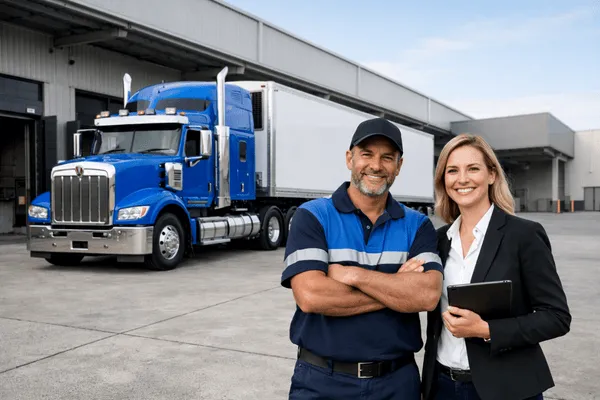
Prime Mover & Trailer Finance | How It Works in Australia
When you finance a prime mover and trailer together, lenders don’t see two assets — they see a working income setup.
This type of truck finance is extremely common in Australia because the combination clearly shows how the operator earns. Approval is typically based on your ABN, trading activity and bank statements rather than consumer lending rules.
This guide explains how prime mover and trailer finance is assessed and what helps applications move quickly.
Why Lenders Like Prime Mover + Trailer Packages
From a lender’s perspective, a prime mover and trailer combo often tells a clear story.
A prime mover by itself can be flexible, but the trailer choice usually signals the work type. A skeletal trailer points to container work. A refrigerated trailer points to cold freight. A tipper trailer points to bulk or construction-related haulage.
That clarity matters because lenders prefer applications where the asset and the income source align cleanly. When the setup makes sense, the file tends to be easier to assess.
Common Real-World Scenarios
Prime mover and trailer finance usually happens in practical, time-sensitive situations.
For example, an operator wins a new contract that starts in a few weeks. The work requires a specific trailer type. They could pay cash, but that would drain working capital and put pressure on cash flow during the early months of the contract.
So instead, they finance the setup and keep cash available for fuel, servicing, insurance, compliance, and unexpected downtime. The finance structure is designed so the asset is paid for over the period it generates income.
That’s the logic of commercial asset finance: match the cost to the earning life of the asset.
How These Loans Are Typically Structured
Most prime mover and trailer loans are structured over a term that fits the asset and the operator’s cash flow. Terms often run several years, and many operators choose a balloon payment to keep the monthly or weekly repayments manageable.
The important point is that the structure should reflect real operating costs. Trucks don’t just have repayments — they have fuel, tyres, servicing, and periods where the truck isn’t earning (maintenance, waiting for loads, seasonal slowdowns). A finance structure that ignores those realities can put pressure on the business.
A sensible structure is one that leaves breathing room.
Buying New vs Used (And How It Affects the Deal)
Both new and used prime movers and trailers are financed constantly.
New assets are usually easier to document and verify, and often come with clearer invoices, which can speed up assessment and settlement. Used assets can still be excellent purchases — many operators prefer used because it reduces upfront cost — but the lender will typically pay closer attention to the asset details, age, and condition.
This doesn’t mean used is “harder”. It just means it needs to be cleanly presented so the lender isn’t left guessing.
Dealer Purchase vs Private Sale
Where possible, dealer purchases are often faster because invoices are standardised and asset details are clear.
Private sales can still be funded, but delays often come from admin issues: incomplete details, unclear ownership checks, or missing information.
If speed matters, the best move is simple: provide clean purchase details, the VIN/chassis details, and complete documentation upfront.
What Lenders Need to See for a Smooth Approval
You don’t need to drown the lender in paperwork. You need the file to be clear.
A smooth application generally shows:
a genuine ABN operation (and usually GST)
consistent income visible in bank statements
an asset setup that matches the work type
clear invoices/details for both prime mover and trailer
When those are in place, financing two assets together is not unusual to lenders — it’s normal.
Can You Finance a Trailer on Its Own?
Yes — and it’s common.
This usually happens when you already have the prime mover and you’re adding capacity for a contract. The lender will still want to see that you’re actively trading and that repayments are affordable, but trailers are standard commercial assets when they’re tied to transport income.
Cash Flow Reality: Why Operators Finance Instead of Paying Cash
Even if you have cash available, using it all on a purchase can leave you exposed.
Fuel, tyres, servicing, insurance and compliance costs are real, and they don’t wait. Financing can preserve working capital so the business can operate smoothly — especially when a new contract is ramping up or when a truck is newly acquired and still being optimised.
For most operators, keeping liquidity is worth more than owning the asset outright from day one.
FAQs
Is it harder to finance a prime mover and trailer together?
Not usually. Lenders see this constantly when the assets match the work.
Can I include on-road costs or setup costs?
Often yes, depending on the lender and structure.
What if I’m upgrading mid-contract?
Many operators upgrade by refinancing, trading in, or restructuring depending on the situation.
How long does approval take?
When documents and asset details are clear, many decisions happen quickly.
Final Thoughts
Prime mover and trailer finance is designed for the real transport world: contracts, deadlines, and assets that earn income.
When the setup matches the work and the income is visible, lenders are usually comfortable. The key is presenting a clear file with clean documentation, not overcomplicating it.

