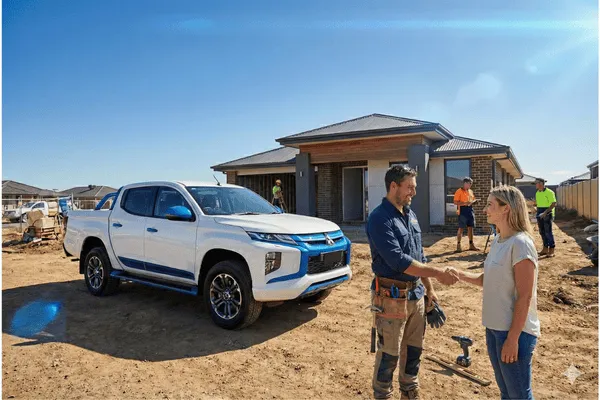
Zero Deposit Vehicle Finance for ABN Holders – When Is It Possible?
A lot of tradies and small business owners assume one thing when they walk into a dealership:
“I’ll probably need to put a few grand down to make this happen.”
In personal car loans, that’s often true.
But when the vehicle is for work, and you operate under an ABN, lenders don’t look at it the same way at all.
In fact, for many ute and van purchases, no deposit is the normal outcome, not the exception.
Why Business Vehicles Are Treated Differently to Personal Cars
Imagine two people buying the exact same ute.
One works on a salary and wants it for personal use.
The other is a plumber who uses it every day to get to jobs, carry tools, and earn income.
To a lender, those are completely different risk profiles.
The plumber’s ute is an income-producing asset. Without it, the business slows down. With it, money keeps coming in. That changes how the deal is assessed.
This is why deposits matter far less in commercial vehicle finance.
How This Plays Out in Real Life
This is a very common scenario.
A tradie has been running their ABN for a couple of years. Money comes into the account every week from jobs. The current ute is getting tired and unreliable.
They find a newer model at a dealer for $42,000 and assume they’ll need $5,000–$8,000 as a deposit.
But when the application is assessed, the lender sees:
Consistent income through the bank statements
An active ABN and GST registration
A vehicle that clearly suits the trade
A borrower who needs the ute to keep working
The outcome? Approved for the full amount, often including on-road costs and accessories.
What Lenders Actually Care About Instead of a Deposit
Your Bank Statements
Regular income deposits over the past few months tell the story lenders care about most — that the business is healthy and repayments are affordable.
Your ABN and GST
This confirms you are genuinely operating a business, not buying the vehicle for private use.
The Type of Vehicle
Utes and vans used for trade and service work are some of the most comfortable assets for lenders to fund.
Clear Purchase Details
Knowing exactly what is being purchased removes uncertainty from the application.
What Can Usually Be Included Without a Deposit
Many business owners are surprised to learn the finance can also cover:
On-road costs
Toolboxes and racks
Shelving and internal fit-outs
Accessories needed for the job
You’re not just financing the vehicle — you’re financing a work-ready setup.
Why Using Your Own Cash Isn’t Always the Smart Move
Putting money down feels responsible.
But if that cash could instead be used for:
Materials for the next job
Fuel and wages
Marketing
Covering quieter weeks
…keeping it in the business often makes more sense than reducing the loan.
This is exactly why many lenders are comfortable with no deposit for ABN holders.
When a Deposit Might Still Be Needed
There are situations where a lender may ask for a contribution, such as:
A very new ABN with limited history
Bank statements that don’t clearly show income
An older vehicle outside typical guidelines
Even then, it’s usually far less than people expect.
How to Give Yourself the Best Chance of No Deposit Approval
Business owners who achieve this easily tend to:
Have clean, complete bank statements ready
Choose vehicles that clearly suit their work
Ensure their ABN and GST are active
Speak to a finance specialist before committing to the purchase
A little preparation goes a long way.
FAQs
Is zero deposit common for tradies?
Yes, when bank statements show consistent income.
Can used vehicles be approved with no deposit?
Yes, provided they meet age and condition guidelines.
Does no deposit mean worse rates?
Not necessarily. The overall strength of the application matters more.
Can accessories be included?
Often yes, including trade fit-outs.
Final Thoughts
For ABN holders, zero deposit vehicle finance isn’t a special deal — it’s often simply how commercial lending works when the vehicle supports your income.
Want to Know If You’d Qualify Without a Deposit?
A quick review of your ABN, bank statements and the vehicle you’re considering can usually confirm this before you commit to the purchase.

